
Pet Microchipping in Frostburg, MD
Collars come off and tags get lost, but a microchip stays with your dog or cat for life. Hillside Animal Hospital places HomeAgain microchips for pets across Frostburg and the tri-state area, giving them permanent identification that can bring them home if they ever go missing.
Permanent Identification for Your Pet
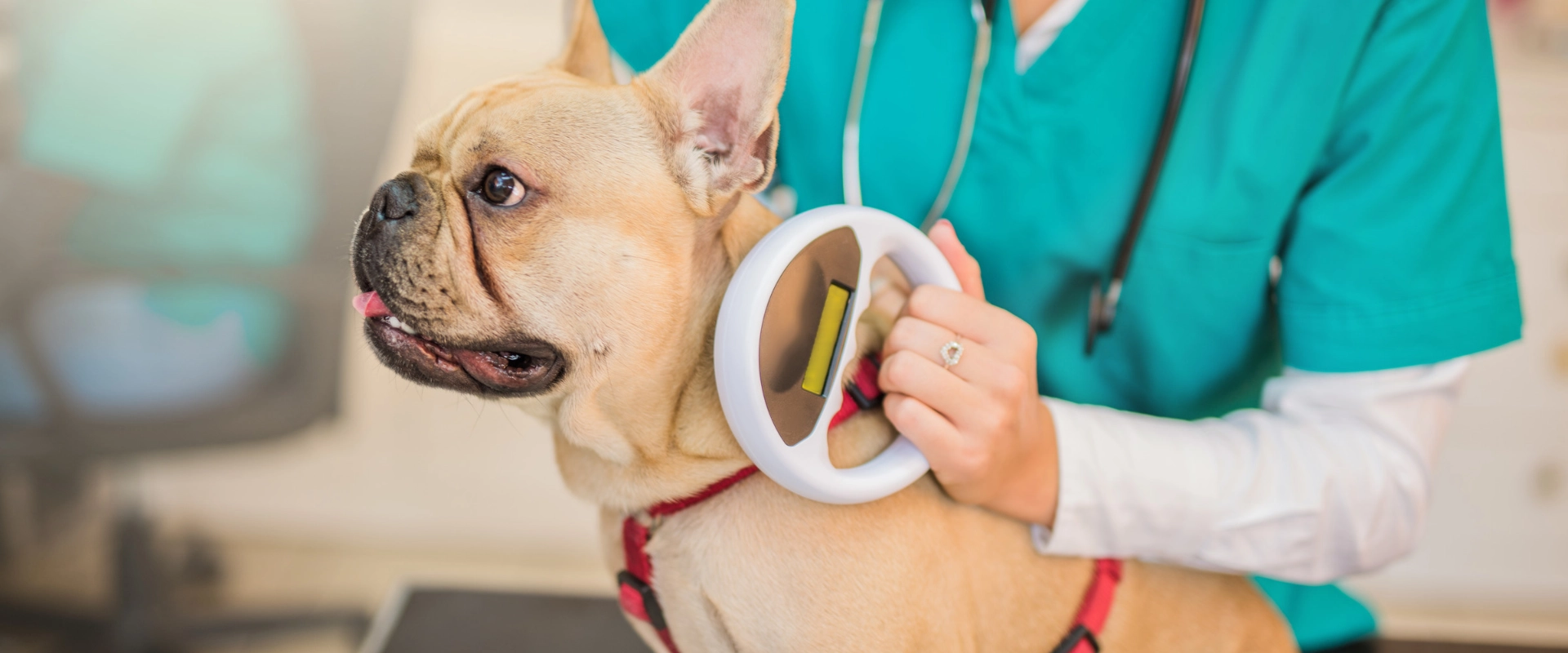
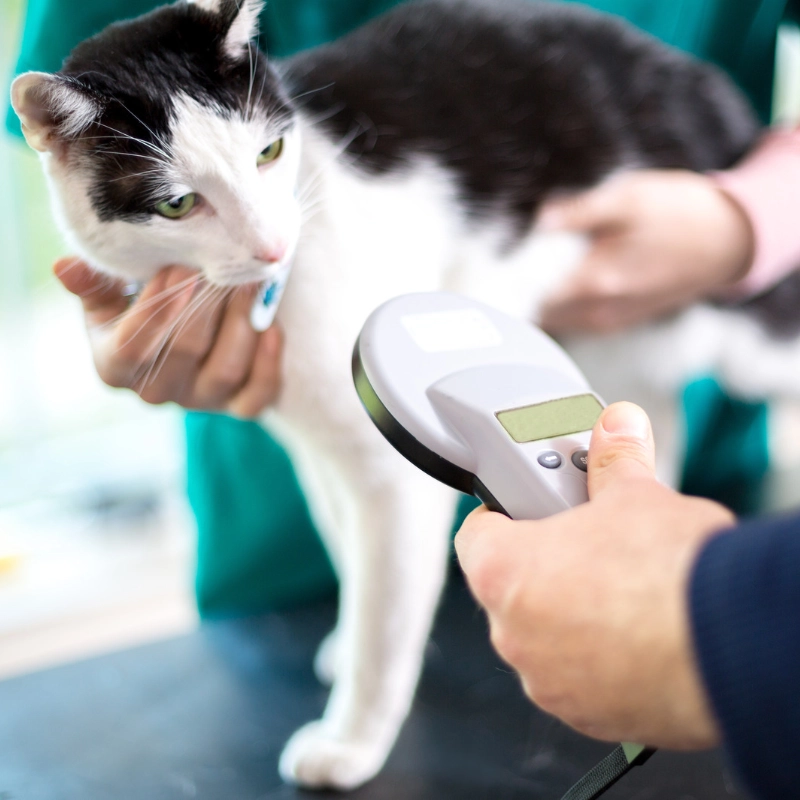
A microchip is a small device, about the size of a grain of rice, placed just under the skin between the shoulder blades. It carries a unique ID number that veterinary hospitals and animal shelters read with a handheld scanner. When that number is registered with your contact details, a lost pet who turns up at a shelter or clinic can be matched back to you, even years after they went missing.
What to Expect When Your Pet Is Microchipped
Placing a microchip takes a few seconds and feels much like a routine vaccination. The chip goes in through a needle, with no anesthesia or recovery time needed, so it fits easily into a wellness visit. Many owners choose to have it done while their pet is already under anesthesia for a spay or neuter. Before you leave, our team scans the chip to confirm it reads correctly and gives you the ID number to register with HomeAgain.
Why Microchipping Matters for Dogs and Cats
Any pet can slip out an open door or dig under a fence, including indoor cats. Here is what a microchip does, and does not do, for dogs and cats in Frostburg and the surrounding area.
Identification That Stays Put
Unlike a collar or tag, a microchip cannot fall off, break, or be removed, so your pet carries their ID for life.
Quick to Place
The chip is placed in seconds during a regular appointment, with no anesthesia or recovery time involved.
Read by Shelters and Clinics
Animal shelters and veterinary hospitals routinely scan found pets, which is how a chipped pet gets matched to their owner.
Indoor Cats Need One Too
Indoor cats are less likely to wear a collar, so if one slips outside, a microchip may be their only form of identification.
Not a GPS Tracker
A microchip does not track your pet’s location. It works when someone finds your pet and scans them, which is why registration matters.
Keep Your Details Current
An outdated phone number is the most common reason a chipped pet cannot be returned. Check your registration whenever your details change.
Part of Routine Wellness Care
Microchipping fits into a puppy or kitten visit or an annual exam, alongside vaccinations and parasite prevention.
Checking an Existing Chip
Adopted a pet or unsure if yours is chipped? Our team can scan them at their next visit and confirm the chip reads correctly.